
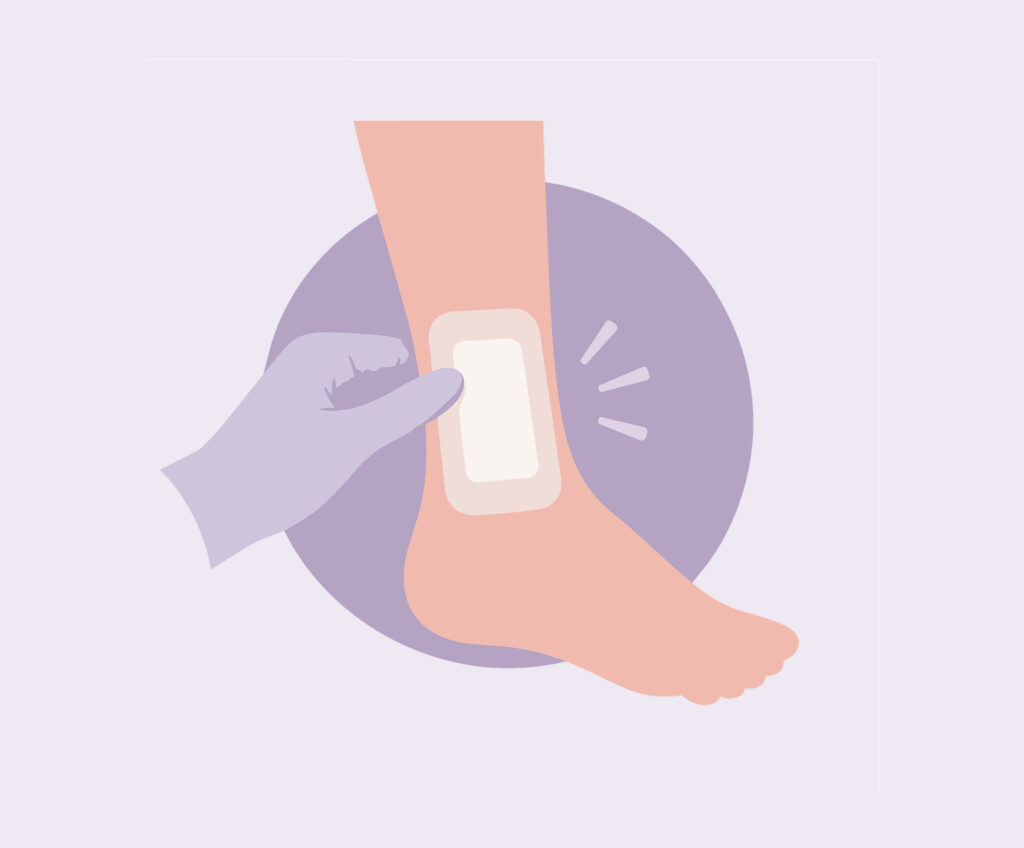
Lower-extremity ulcers are wounds on the legs, ankles, feet, or toes that may have difficulty healing normally.
A chronic wound can have more than one contributing factor. Poor arterial circulation, venous disease, diabetes, pressure, infection, and other medical conditions can interfere with the body’s ability to repair damaged tissue.
Understanding why a wound is not healing is an important part of developing an appropriate treatment plan. Vascular evaluation can help determine whether reduced blood flow or abnormal vein function is contributing to the problem.
Evaluation begins with an examination of the wound and the surrounding skin, along with a review of your medical history and symptoms.
Your vascular specialist may assess circulation, pulses, swelling, skin changes, and other findings that can provide clues about the cause of the wound.
Noninvasive circulation testing or vascular ultrasound may be recommended to evaluate arterial and venous blood flow. Identifying underlying vascular problems can help guide wound care and determine whether additional vascular treatment is needed.
Wound treatment depends on the cause, location, severity, and overall health of the patient.
Care may include wound management, protection of the affected area, pressure reduction when appropriate, management of swelling, and treatment of underlying medical or vascular conditions.
If poor circulation or venous disease is interfering with healing, vascular treatment may become an important part of the overall care plan. Coordination with other healthcare professionals may also be recommended depending on the patient’s needs.
A wound should be evaluated if it is not showing signs of healing, continues to reopen, becomes increasingly painful, or develops changes in drainage, color, or surrounding skin.
Patients with diabetes or known circulation problems should pay particular attention to wounds involving the feet and toes.
Seek prompt medical attention for rapidly worsening pain, spreading redness, fever, significant drainage, black or discolored tissue, or other signs of a serious infection or circulation problem.
Wounds may heal slowly for many reasons, including reduced circulation, vein disease, diabetes, pressure, infection, or other medical conditions. An evaluation can help identify factors that may be interfering with healing.
Yes. When tissues do not receive enough oxygen-rich blood, the skin can become more vulnerable to injury and wounds may have difficulty healing.
A venous ulcer is a wound that develops because of long-term high pressure within the veins, usually in the lower leg or around the ankle.
Vascular testing can help determine whether reduced arterial blood flow or abnormal vein function is contributing to the wound. This information can influence the treatment plan.
A wound that is not healing, is worsening, or occurs in someone with diabetes or known circulation problems should be evaluated. Signs of infection or sudden changes require prompt medical attention.