
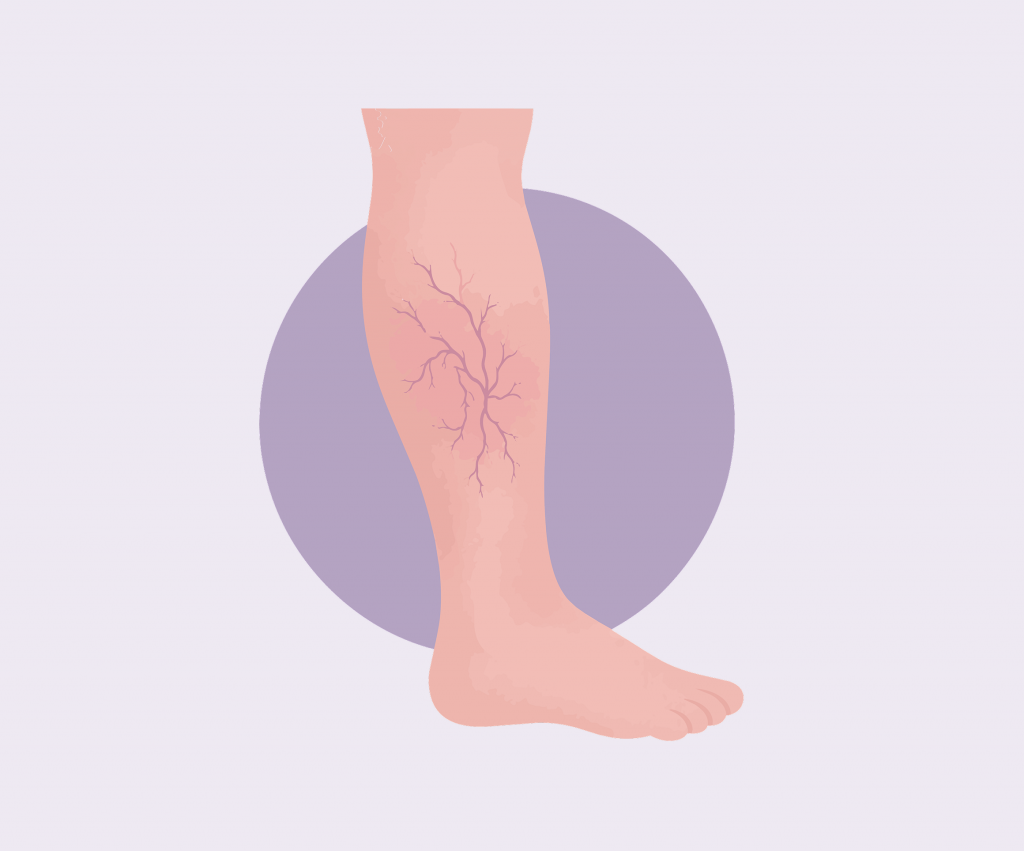
Varicose veins are enlarged, twisted veins that become visible beneath the skin, most commonly in the legs. Spider veins are smaller red, blue, or purple blood vessels that appear closer to the surface of the skin.
Veins contain valves that help move blood back toward the heart. When these valves do not work effectively, blood can collect within the veins and increase pressure. This may cause veins to enlarge and become more noticeable.
For some patients, visible veins are primarily a cosmetic concern. For others, they may be associated with aching, heaviness, swelling, itching, or other symptoms that affect daily comfort.
Evaluation typically begins with a review of your symptoms, medical history, and a physical examination of the affected areas.
Your vascular specialist may evaluate the appearance of the veins, swelling, skin changes, and other signs of underlying vein disease.
When appropriate, a vascular ultrasound may be used to evaluate blood flow and determine how well the valves within the veins are functioning. This can help identify underlying venous insufficiency and guide treatment recommendations.
Treatment depends on the type of veins involved, your symptoms, ultrasound findings, and your overall vascular health.
Some patients may benefit from conservative measures such as regular activity, leg elevation, compression therapy, or other strategies intended to improve symptoms.
When additional treatment is appropriate, minimally invasive vein procedures may be considered. Your vascular specialist can explain which options may be appropriate based on your evaluation and treatment goals.
Consider a vascular evaluation if visible veins are accompanied by persistent aching, heaviness, swelling, itching, skin changes, or discomfort that interferes with daily activities.
Evaluation may also be appropriate if vein symptoms continue to worsen or if sores or wounds develop around the lower leg or ankle.
Sudden swelling, significant pain, redness, or warmth in one leg should be evaluated promptly because these symptoms can have causes other than varicose veins.
Varicose veins can develop when valves inside the veins do not move blood toward the heart effectively. Blood can collect within the vein, increasing pressure and causing the vein to enlarge.
No. Spider veins are smaller vessels that appear close to the skin and are often red, blue, or purple. Varicose veins are typically larger, raised, and may be associated with symptoms such as aching, heaviness, or swelling.
Not always. Some people have visible veins without significant symptoms, while others experience discomfort, swelling, skin changes, or other signs of underlying vein disease.
Evaluation may include a physical examination and vascular ultrasound. Ultrasound can help assess blood flow and determine whether the valves within the veins are functioning properly.
Many vein conditions can be managed with conservative care or minimally invasive treatments. The appropriate approach depends on your symptoms, examination, ultrasound findings, and overall health.