
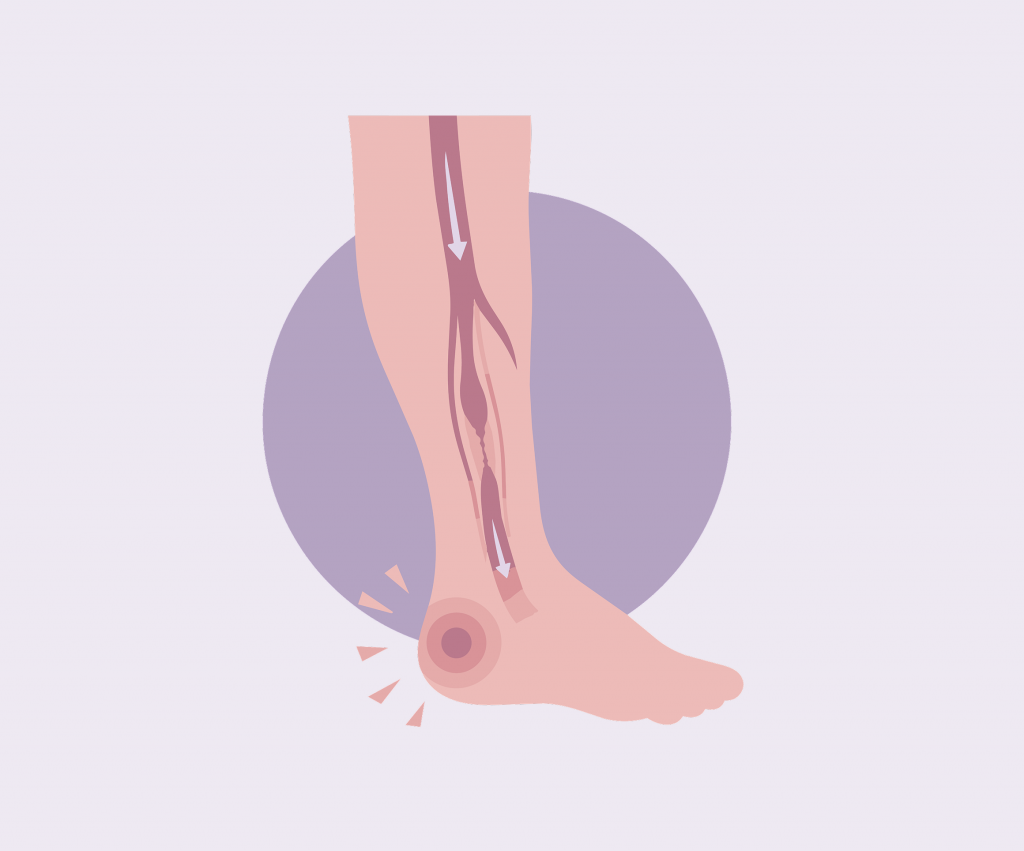
Peripheral artery disease (PAD) is a circulation condition that develops when arteries supplying blood to the legs and feet become narrowed or blocked, often because of plaque buildup.
Reduced blood flow can cause symptoms such as leg discomfort while walking, changes in the feet or skin, and wounds that are slow to heal. Some people with PAD may have few noticeable symptoms, making vascular evaluation especially important when risk factors or circulation concerns are present.
At Haven Health Partners, we evaluate blood flow and vascular health to help identify circulation problems and determine appropriate next steps for care.
Evaluating peripheral artery disease begins with a review of your symptoms, medical history, and risk factors, along with a vascular examination.
Depending on your needs, additional vascular testing may be used to evaluate circulation and identify areas where blood flow may be reduced. Testing can include noninvasive vascular studies and ultrasound imaging.
The results help your vascular specialist understand the severity and location of circulation problems and determine whether monitoring, medical management, or additional treatment should be considered.
Treatment for peripheral artery disease depends on the severity of the condition, your symptoms, and your overall health.
Care may include lifestyle changes, management of vascular risk factors, medications, ongoing monitoring, and treatment of related wounds or circulation problems. When blood flow is significantly reduced, minimally invasive vascular procedures or surgical treatment may be considered.
Haven Health Partners develops an individualized care plan based on each patient’s vascular evaluation and treatment needs.
Consider a vascular evaluation if you experience recurring leg pain or cramping while walking, persistent coldness or numbness in a foot, changes in skin color, or wounds on the feet or legs that are slow to heal.
Sudden severe leg or foot pain, a limb that becomes unusually cold or pale, or a sudden loss of sensation or movement may require urgent medical attention.
Peripheral artery disease is a vascular condition in which arteries supplying blood to the limbs become narrowed or blocked. PAD commonly affects the legs and can reduce the amount of oxygen-rich blood reaching the muscles and tissues.
A common symptom is aching, cramping, heaviness, or fatigue in the legs during walking or activity that improves with rest. However, symptoms can vary, and some people with PAD experience few noticeable symptoms.
Diagnosis typically includes a review of your symptoms and medical history, a vascular examination, and circulation testing when appropriate. Noninvasive vascular studies and ultrasound imaging may be used to evaluate blood flow.
Reduced circulation can make it more difficult for wounds to heal. Persistent or slow-healing sores on the feet, toes, or legs can be a sign of circulation problems and should be evaluated.
No. Treatment depends on the severity of the disease, symptoms, overall health, and results of vascular testing. Care can range from risk-factor management and medication to minimally invasive procedures or surgery when appropriate.